
Did you know that a ruptured pneumatic system can release force equal to a stick of dynamite? Countless workshops still utilize piping systems constructed of hazardous substances, ignoring the hazards. This article details why security must be the priority.
Buy Now PVC Pipe Compressed Air
In spite of increasing curiosity in particular materials, OSHA firmly prohibits their use in exposed installations. Over time, exposure to oils and climate shifts weakens them, resulting in catastrophic failures. Even at “approved” PSI levels, the threat of explosions is elevated.
If you need trustworthy substitutes, Installation Parts Supply stocks long-lasting solutions like aluminium. Spending on correct materials avoids expensive penalties and maintains factories secure. We will examine how to construct a safer network.
Essential Highlights
- OSHA prohibits specific materials due to explosion risks.
- PSI limits drop as temperatures fluctuate.
- Fragility intensifies with age, increasing breakage chances.
- Aluminum piping presents a safer alternative.
- Smart spending stops expensive penalties and injuries.
Reasons PVC Is Unsafe For Compressed Air
Makers specifically caution against using some polymers for high-energy uses. Different from liquid systems, compressed air stores explosive energy—a ruptured pipe can release force similar to dynamite. This renders material
choice critical for safety.
- Fragility: Freezing temps make materials fragile, increasing shatter potential.
- Glue breakdowns: Connections weaken when subjected to compressor oils or temperature swings.
- Misleading ratings: PSI tolerance drops by half at high temperatures—most shops go beyond this.
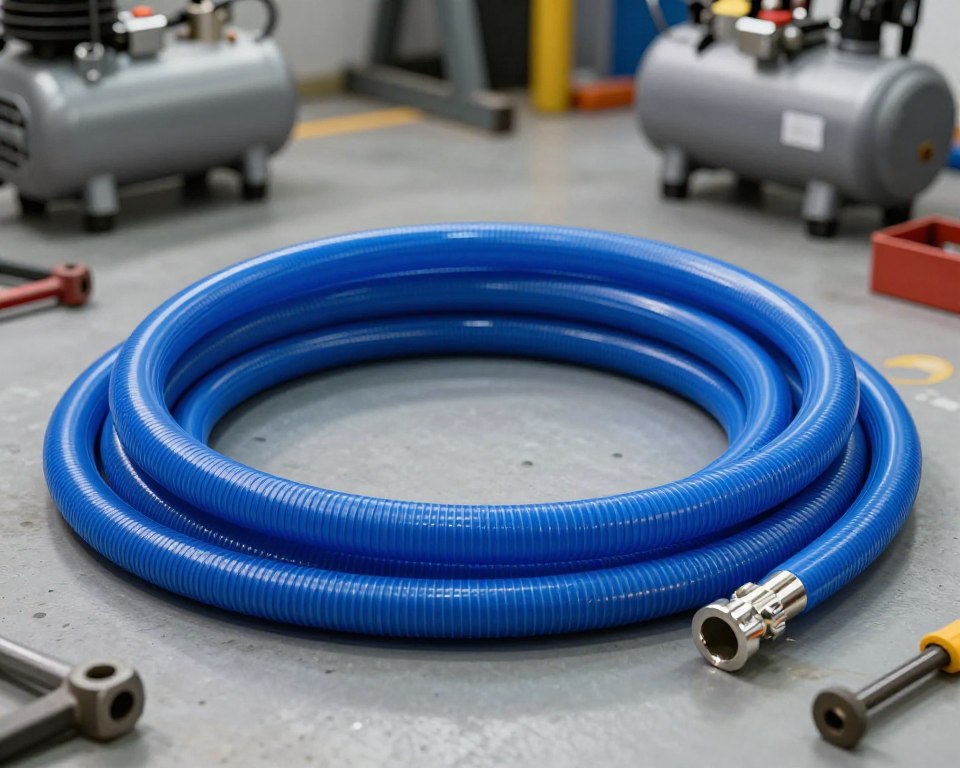
OSHA cites a hefty penalty following a plant’s system shattered, injuring workers. The “heat of compression” additionally lowers safe operating limits, a element frequently missed in ratings.
“Surface usage of certain polymers for pressurized air violates safety regulations due to burst dangers.”
Metallic options break in a predictable way, warping instead of fragmenting. Conversely, plastic debris from explosive failures can travel more than 50 feet, lodging in walls or equipment.
Facilities face daily thermal changes that speed up wear and tear. Over 10 years, UV exposure and chemical interactions moreover weaken structure, turning small drips into major hazards.
Safe Alternatives To PVC Pipe For Air Compressor Lines
Aluminum piping systems beat traditional choices in both safety and efficiency. With 90% fewer leaks compared to black pipe, they are a top choice for contemporary buildings. Their lightweight design and rust protection make them perfect for extended service.
Aluminum modular setups reduce hours—no threading needed. Installation Parts Supply provides ready-made parts that snap together. A regional car factory slashed work expenses by forty percent following switching to this solution.
- Copper: Ideal for cleanrooms due to natural antimicrobial properties. Needs soldering expertise.
- Stainless Steel: Withstands rust in humid areas like seaside shops.
- ABS/HDPE: Solvent-proof for labs and factories using chemicals.
“Upgrading to aluminum cut power loss by 15%—paying for itself in 18 months.”
Tightness is key. Over-tightened joints break, whereas under-tightened ones drip. Adhere to maker guidelines—typically 25 to 30 foot-pounds for aluminum joints.
In food processing settings, certified options ensure air purity. Always match pipes to your environment’s demands.
Choosing The Correct Piping For Your Facility
Choosing the best material for your setup involves weighing price, protection, and performance. A Midwest factory preserved 12k per year by moving to leak-resistant alloy. Here’s how to take the right decision.
| Material | Cost (per ft) | Upkeep | Payback Period |
|---|---|---|---|
| Aluminium | $8.50 | Minimal | 1.5 Years |
| Black Pipe | 5.00 USD | High | None |
| Copper | 10.20 USD | Moderate | 2 Years |
Heat is a factor. Aluminium handles extreme temps, while polymers shatter in the cold. For chemical-heavy environments, stainless steel resists solvents.
Expert Tip: Compute ROI using CFM loss formulas. A 10% leak in a 50 HP system wastes $3,500 per year.
- Align pressure specs to your compressor’s output.
- Verify safety standards for weld inspections and stress testing.
- Request a complimentary system audit from the supplier.
“Our aluminum retrofit cut wasted power by fifteen percent—breaking even in 18 months.”
DIY installations work for small shops, but pros guarantee sealed connections. Always check warranty terms—certain brands cover 10+ years.
Summary
Selecting the right components for your compressed air setup isn’t just about price—it’s about safety. Studies show 92% of failures happen in aged setups, frequently with dangerous results. Aluminum piping offers near-perfect uptime, making it a wise long-term investment.
Key takeaways:
- Steer clear of fragile plastics that shatter under pressure.
- Select corrosion-resistant metals like aluminum or steel.
- Illegal setups risk citations and insurance issues.
Prepared to improve? Our team provides same-day quotes and special deals on introductory packages. Download our free checklist or call for emergency replacements.
Commit to safer plumbing now—your workers’ well-being depends on it.